Injecting Joy into Design: The Strategic Value of the Smile Everyday Font
In the contemporary digital landscape, where user attention is a scarce commodity and brand differentiation is paramount, typography has evolved from a mere vessel for information into a critical component of emotional communication. Designers, marketers, and entrepreneurs are increasingly recognizing that the choice of typeface can dictate the tone of a message before a single word is read. Amidst this shift towards more expressive and human-centric design, Smile Everyday has emerged as a compelling tool for creators seeking to infuse their projects with warmth, approachability, and a distinct sense of playfulness.
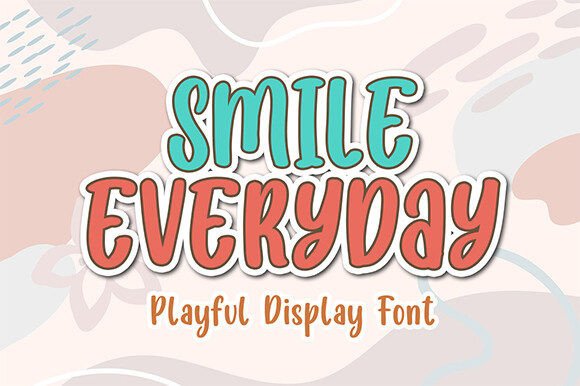
Smile Everyday is not just a font; it is a design statement. Described as a fun and child-themed display font full of life, it serves a specific yet expanding niche in the creative market. It adds a friendly and quirky feel to any design project, bridging the gap between professional polish and authentic human connection. As we explore the utility and relevance of this typeface, it becomes clear that its appeal extends far beyond simple aesthetics, touching upon broader trends in consumer psychology, brand authenticity, and the evolving expectations of digital audiences.
The Rise of Approachable Typography in Professional Contexts
For decades, corporate and professional design was dominated by sterile, sans-serif typefaces that prioritized neutrality and efficiency. However, the modern consumer landscape has shifted dramatically. Today’s audiences, whether they are parents buying educational materials, customers engaging with local businesses, or readers consuming digital content, crave authenticity. They respond to brands and creators that feel accessible, transparent, and genuinely human. This cultural shift has driven a surge in demand for typography that reflects these values, making fonts like Smile Everyday increasingly relevant across various industries.
The "friendly and quirky" nature of Smile Everyday aligns perfectly with the trend toward informalization in business communication. Startups, freelancers, and small businesses are moving away from rigid corporate identities in favor of brands that feel like friends rather than institutions. By incorporating a display font that exudes life and energy, these entities can soften their visual identity, making their messaging more inviting and less intimidating. This is particularly crucial in sectors such as education, childcare, wellness, and creative services, where trust is built on perceived empathy and approachability.
Connecting with the Next Generation of Consumers
One of the primary applications for Smile Everyday is in designs targeted at children and families. The font’s child-themed aesthetic is not merely decorative; it is functional. Children respond to visual cues that are soft, rounded, and energetic. When used in kids' books, educational apps, or classroom materials, the font helps create an environment that feels safe and engaging. It reduces the cognitive load associated with reading for early learners by presenting letters in a familiar, hand-drawn style that mimics the natural variability of human handwriting.
Beyond direct-to-child applications, the font plays a significant role in marketing to parents. Modern parenting culture emphasizes joy, mindfulness, and positive reinforcement. Brands that align with these values use typography to signal their alignment. A birthday card or invitation designed with Smile Everyday instantly communicates celebration and warmth, distinguishing itself from generic, mass-produced alternatives. For entrepreneurs in the party planning or greeting card industry, leveraging such a distinctive typeface can be a key differentiator in a crowded market.
Versatility Across Creative Mediums
While its roots are in playful and child-centric design, the versatility of Smile Everyday allows it to transcend narrow categorizations. Its utility spans a wide array of mediums, proving that a "fun" font can also be a serious business asset when applied with strategic intent. The key lies in understanding context and balance.
- Branding and Logos: For businesses in the lifestyle, craft, or family-oriented sectors, a logo featuring Smile Everyday can establish an immediate emotional connection. It suggests a brand personality that is open, creative, and customer-focused.
- Publishing and Editorial: In magazines and blogs focused on lifestyle, parenting, or creative hobbies, using this font for pull quotes or section headers breaks up the monotony of standard body text. It adds visual rhythm and keeps the reader engaged.
- Digital Content and Social Media: In the age of Instagram and TikTok, static images must compete for attention within seconds. Text overlays using Smile Everyday stand out against the polished, often overly curated aesthetic of social media feeds, offering a breath of fresh air that encourages interaction.
- Watermarks and Protection: Photographers and digital artists often struggle to protect their work without detracting from its beauty. A quirky, semi-transparent watermark using this font can serve as a signature that enhances rather than obscures the underlying image, adding a personal touch to professional portfolios.
Enhancing User Experience Through Emotional Design
The integration of Smile Everyday into digital products is also a reflection of the growing importance of emotional design in user experience (UX). UX is no longer solely about usability and navigation; it is about how a product makes the user feel. A fitness app that uses cheerful, energetic typography for motivational quotes can enhance user retention by creating a positive feedback loop. Similarly, an e-learning platform for children can use the font to reduce anxiety and make the learning process feel like play.
This application highlights a broader technological trend: the personalization of digital interfaces. As AI and dynamic content delivery become more sophisticated, the ability to swap typographic elements based on user preference or context is becoming more feasible. Fonts that carry strong emotional valences, like Smile Everyday, are ideal candidates for such dynamic systems, allowing platforms to adapt their tone to match the user’s mood or the specific content being delivered.
Practical Implementation for Creators and Entrepreneurs
For freelancers and designers, mastering the use of display fonts like Smile Everyday is a valuable skill. However, its effectiveness depends on disciplined application. Because it is a display font, it is best suited for headlines, short phrases, and accent pieces rather than long-form body text. Overuse can lead to visual fatigue and reduce readability. The goal is to use it as a spice, not the main ingredient.
- Pairing with Neutral Typefaces: To maintain professionalism, pair Smile Everyday with a clean, highly readable sans-serif or serif font for body copy. This contrast ensures that the playful elements stand out without compromising the overall legibility of the design.
- Color Psychology: The font’s quirky nature is amplified when paired with vibrant, warm colors. However, for a more sophisticated look, consider using it in monochrome or muted pastels, which can temper its energy while retaining its friendly character.
- Contextual Appropriateness: Always consider the audience. While perfect for a invitation to a baby shower or a logo for a toy store, it may be inappropriate for legal documents or high-end luxury branding where minimalism and severity are valued. Understanding these boundaries is crucial for maintaining credibility.
The Future of Expressive Typography
The popularity of Smile Everyday is indicative of a larger movement in design: the rejection of one-size-fits-all aesthetics in favor of expressive, context-aware typography. As technology lowers the barriers to entry for custom design, consumers are becoming more discerning. They can spot generic templates from a mile away and are drawn to creations that feel handcrafted and intentional.
For entrepreneurs and marketers, this means that investing in unique typographic assets is no longer a luxury but a necessity. Fonts like Smile Everyday offer a cost-effective way to inject personality into a brand without the expense of custom lettering. They allow small teams to punch above their weight, creating visuals that resonate on an emotional level with their target audience.
Furthermore, as remote work and digital collaboration continue to define the modern workplace, the tools we use to communicate visually become even more important. A well-chosen font can convey tone and intent in ways that plain text cannot, reducing miscommunication and fostering a more positive collaborative environment. Whether used in internal presentations, client proposals, or public-facing marketing materials, the right typography acts as a silent ambassador for your brand’s values.
Conclusion: Embracing the Human Element
In a world increasingly mediated by screens and algorithms, the human element remains our most valuable asset. Smile Everyday embodies this principle. It is a reminder that design is not just about structure and function, but about feeling and connection. By choosing a font that is full of life, creators and businesses signal that they value joy, creativity, and genuine interaction.
Whether you are designing a logo for a new startup, creating a memorable birthday card, or laying out a children’s book, the choice of typography shapes the narrative. Smile Everyday offers a pathway to designs that are not only visually appealing but emotionally resonant. As we move forward, the ability to harness such expressive tools will distinguish those who merely communicate from those who truly connect. Embrace the quirky, the friendly, and the lively, and let your designs reflect the vibrant humanity of the audiences you serve.